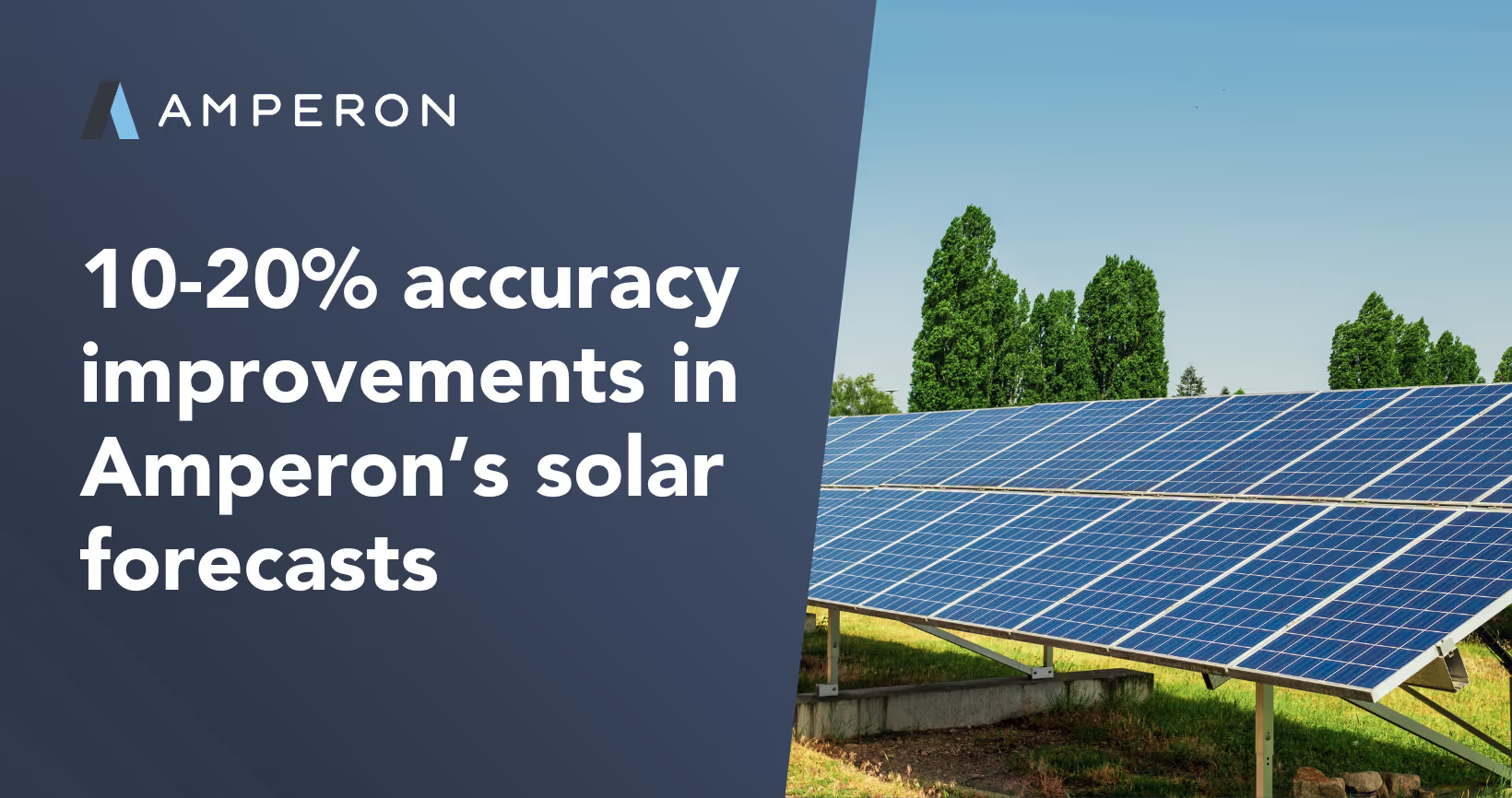
Summer 2026 could be a record-breaking season for US power grids. A strengthening El Niño, accelerating load growth, and a rapidly evolving generation mix are converging, creating a risk environment that looks materially different from recent summers. From California to New England, the same risks prevail across US grids in different ways.
1. Sustained Heat Will Bring Cumulative Grid Stress
El Niño is the dominant macro risk this summer, not because of a single extreme heatwave, but because of duration and timing.
Unlike past years where heat peaked early or dissipated quickly, the current ENSO pattern suggests heat arriving early in the West, expanding eastward later in summer, and most importantly, persisting well into fall and likely winter.
That matters because sustained, everyday heat stresses the grid more than short, sharp peaks. The results will be felt across the country.
- ERCOT, CAISO, and the Desert Southwest: Prolonged daily peak loads increase cumulative system stress, even if reserve margins look adequate on paper.
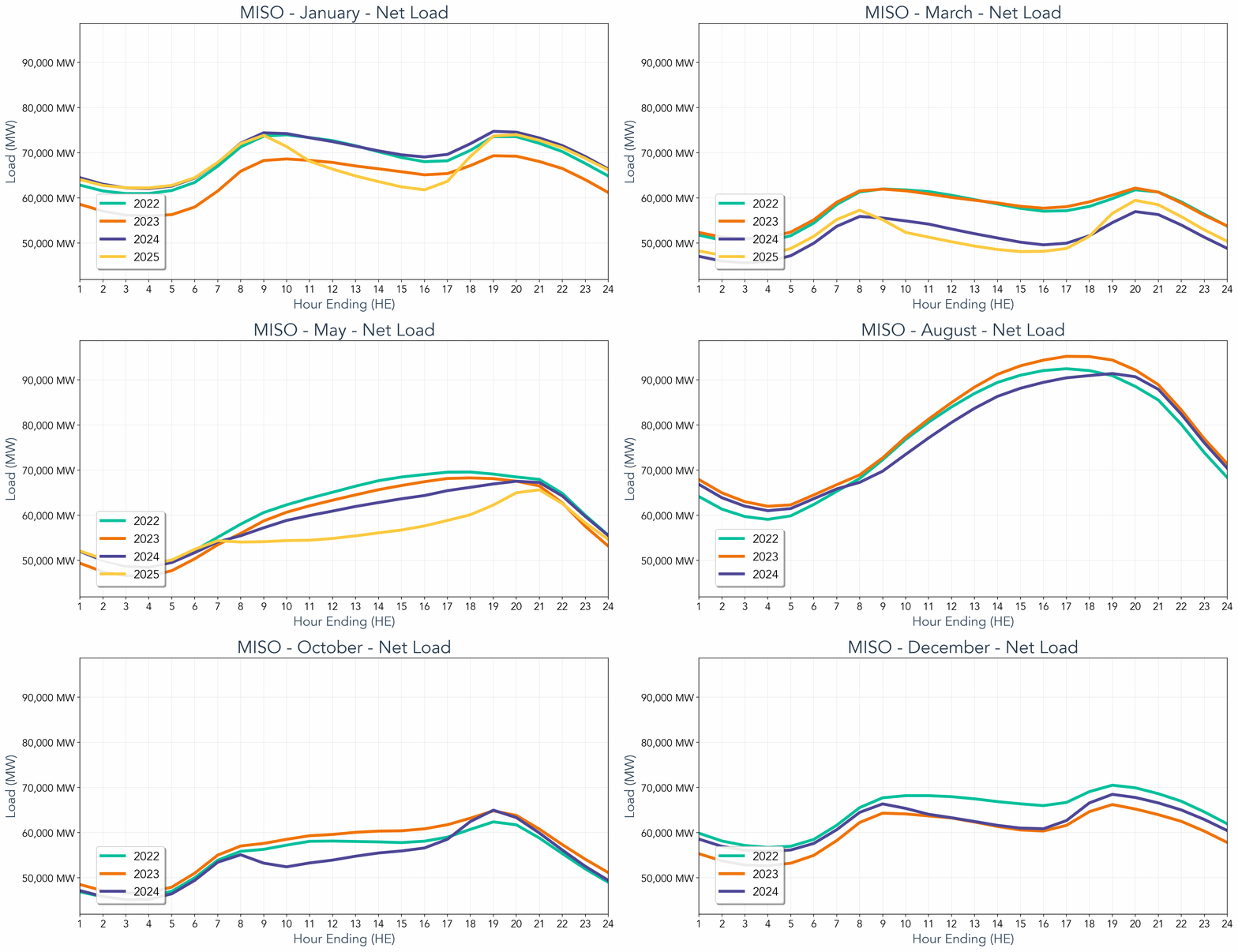
- MISO, SPP, and PJM: Late‑season heat raises the risk of August congestion and surprise peaks after resources have already been running hard for months.
- ISONE & NYISO: Though summer peaks are smaller, sustained warmth reduces hydro and increases reliance on gas during already tight evening hours.
The key risk isn’t just breaking a single all‑time peak. It’s many near‑peak days in a row, which leave less margin for outages, transmission constraints, or forecast error.
2. Load Growth Is Clear and Present, Yet Uncertain
Across nearly every ISO, load growth is accelerating, although not uniformly. Data centers are the big story, but they’re not the only factor, and they’re not evenly distributed.
- In ERCOT, for example, the load growth picture is highly nuanced. Data centers, electrification, and industrial reshoring are driving demand higher, but the exact timing and behavior of these loads remains uncertain, as does the timing and behavior of new generation.
- In PJM, data center growth is highly concentrated geographically, raising locational congestion risk even when system‑wide capacity appears sufficient. System pressures and changing load profiles have ripple effects across the entire region, causing capacity prices to repeatedly exceed PJM's cap.
- In ISONE and NYISO, overall growth is slower, but electrification is gradually shifting peak risk toward winter, complicating year‑round planning.
3. Resource Adequacy Increasingly Depends on Timing
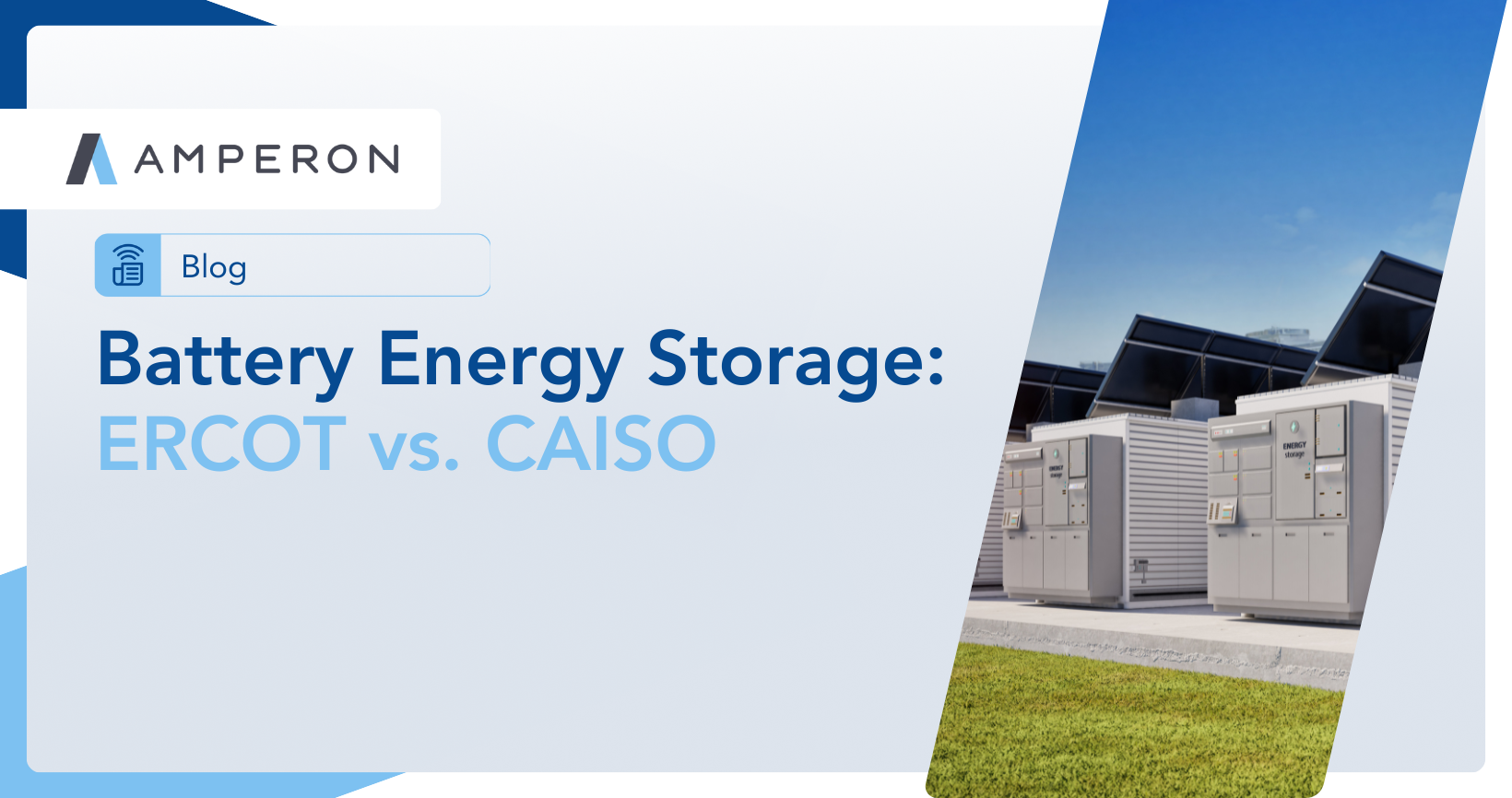
The US grid has never had more installed renewable capacity, or more reliance on conditions lining up exactly right. Solar and wind are growing rapidly, but these don’t necessarily align with peak demand. In ERCOT and CAISO, batteries help, but PJM’s energy storage buildout is far behind.
Meanwhile, thermal retirements continue (in theory), and new firm capacity additions remain limited. Across ISOs, the same balancing act emerges:
- CAISO and ERCOT: Growing battery fleets are dampening price spikes but shifting volatility later into the evening.
- MISO, SPP, and PJM: Solar growth is reshaping midday pricing, while proposed retirements increase sensitivity to outages and transmission constraints.
- Northeast ISOs: Limited battery additions and gas constraints elevate reliance on imports and demand response during stress events.
Download the full 2026 US Summer Grid Outlook to learn more about expected patterns in each US ISO and RTO this season.

.svg)
































%20(3).png)
%20(2).png)
%20(1).png)





.png)


.avif)


.avif)
.avif)

.avif)
.avif)
%20(15).avif)
.avif)


.avif)

.avif)
.avif)