In February 2021, Winter Storm Uri slammed the ERCOT grid with near-historic cold, sustained demand spikes, and widespread generation failures. A joint FERC–NERC report documented that during the coldest week, unplanned generation outages averaged 34 GW — nearly half of ERCOT’s winter peak load — and to prevent total collapse, operators shed more than 20 GW of load, marking the largest controlled rolling outages in U.S. history.
As reserves vanished, both day-ahead and real-time prices hit the system-wide offer cap, with real-time prices repeatedly clearing at $9,000/MWh across several days, signaling sustained scarcity rather than a single shock. Equipment freeze-offs, fuel delivery failures, and inadequate winterization ultimately combined to create a system-wide crisis.
Five years later, Winter Storm Fern demonstrated that ERCOT’s grid could face similar extreme cold without tipping into disaster. Despite sub-freezing temperatures and elevated winter demand, the grid did not require statewide rolling blackouts or Energy Emergency Alerts. Outages were limited primarily to local distribution impacts from ice and falling trees, rather than bulk generation failures.
The difference was both structural and operational. Although not every risk has been eliminated, it seems ERCOT has addressed many of the weaknesses Uri exposed. The grid operator has learned to bend without breaking.

Note: Uri shows LMPs above $9,000 which accounts for congestion and losses (Locational Marginal Price = Energy price + Congestion + Losses).
Cold, Duration, and Post-Uri Reforms: Factors Improving Reliability During Fern
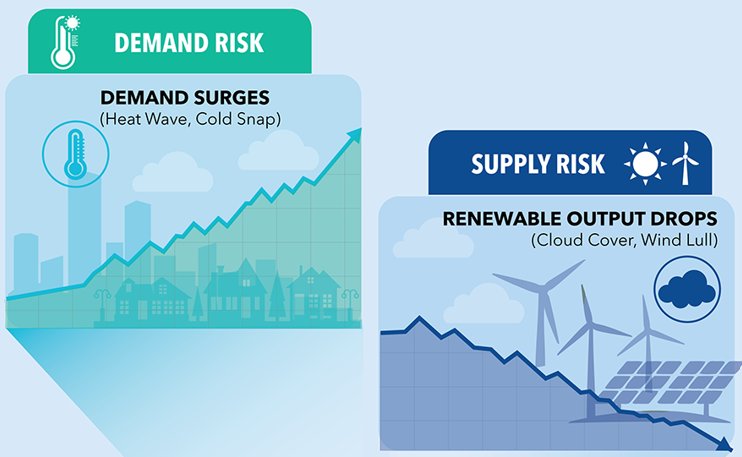
A key distinction between Uri and Fern lies in the depth, persistence, and operational impact of the cold. During Uri, sub-freezing temperatures gripped Texas for nearly six consecutive days, compounding heating demand and pushing generators to their limits.
The prolonged cold exposed multiple vulnerabilities: unprotected equipment froze and natural gas wells and pipelines iced over or became inoperable, restricting fuel supply to generators. Making matters worse, operators lacked full visibility into extreme stress conditions. These factors combined to create grid-wide strain that cascaded into widespread generation failures and rolling outages.
Fern, in contrast, brought a shorter peak of sub-zero temperatures in Texas. Realized loads stayed within the available supply envelope, avoiding the compounding grid failures that defined Uri.
Additionally, ERCOT had implemented multiple post-Uri improvements — including:
- Generator and transmission weatherization
- Firm fuel supply arrangements
- Fast-response battery storage
- Expanded generation capacity
- Enhanced forecasting and operational planning
From Uri to Fern: Operational Improvements
During Uri, ERCOT faced a winter peak of 69 GW, which, combined with widespread forced outages, exceeded the available winterized capacity and contributed to extreme scarcity. Since 2021, winter peak loads have actually grown—but thanks to improved operations, fuel assurance, and fast-response resources, the grid has been able to meet these higher demands without triggering the widespread failures seen during Uri.
Since 2021, winter peak loads have actually grown—but thanks to improved operations, fuel assurance, and fast-response resources, the grid has been able to meet these higher demands.
During Fern, prices spiked only episodically and stayed well below half of ERCOT’s current $5,000/MWh system-wide offer cap — far short of the extreme scarcity levels experienced during Uri, highlighting the grid’s improved resilience under high demand.
The improvements that made Fern more robust were multi-layered. Generators were winterized and inspected, reducing freeze-related failures. Fuel delivery and supply were secured through firm fuel agreements, minimizing the outages that had plagued Uri.
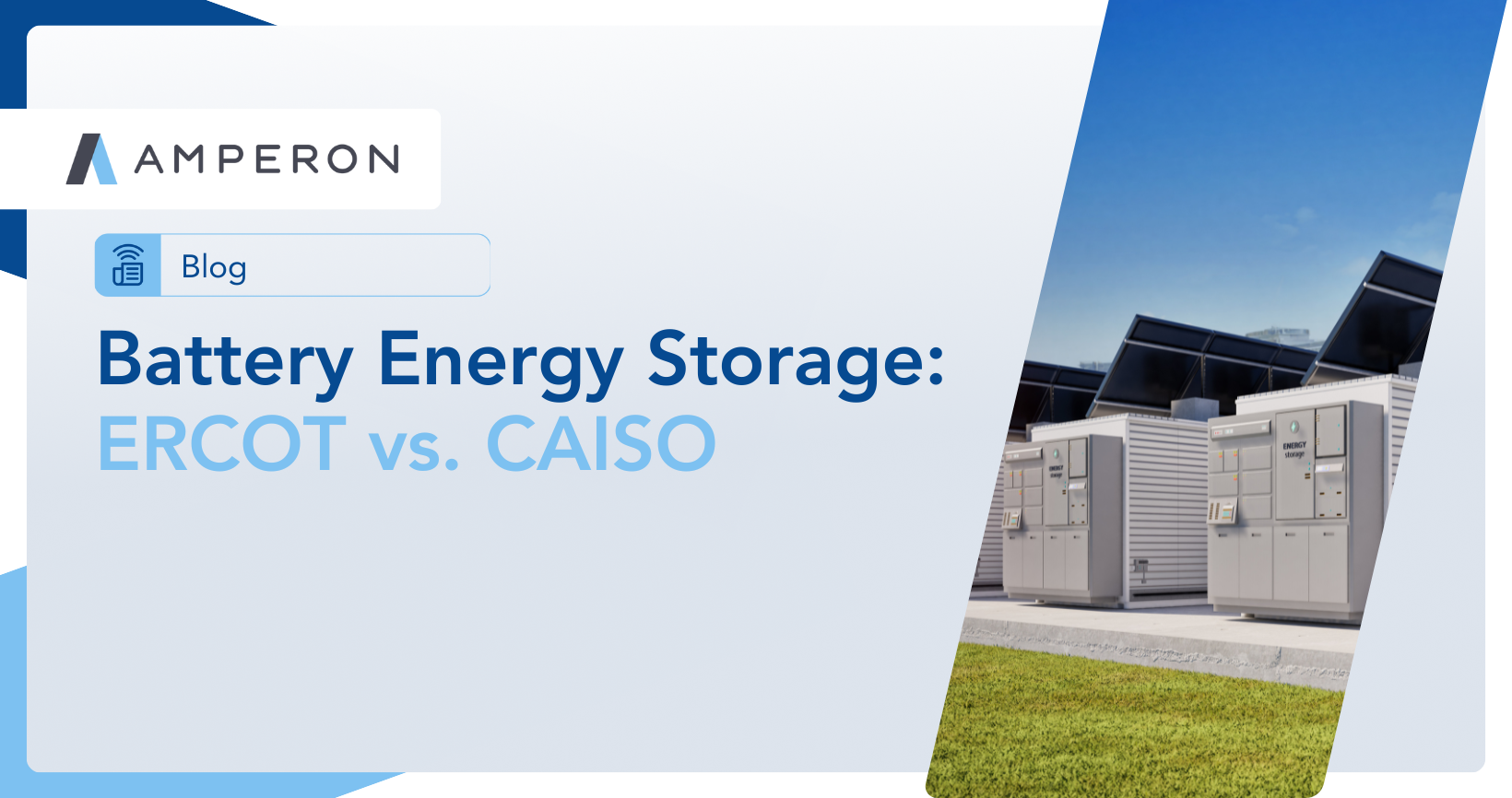
Operationally, ERCOT was also working with a tighter control loop. The December 2025 implementation of Real-Time Co-Optimization Plus Batteries (RTC+B) allowed ERCOT to optimize energy and reserves together in real time, with battery resources fully integrated into that process. ERCOT’s growing fleet of utility-scale batteries provided limited but valuable fast-response support, primarily during morning ramp periods.
During the coldest hours, batteries supplied roughly 6 to 9% of peak load while playing a supplemental rather than load-bearing role. During Fern, batteries were less about carrying the grid and more about absorbing short-term volatility—reducing mismatches between reserve procurement and actual grid needs as conditions changed quickly.
During Fern, batteries were less about carrying the grid and more about absorbing short-term volatility.
Under DOE Section 202(c) authority, backup generation at data centers and other large industrial facilities can also now be brought online if needed, providing an additional operational lever. This authority was not utilized, but some data centers and cryptocurrency miners voluntarily curtailed electricity use, helping reduce peak demand.
According to Bloomberg, these voluntary reductions, combined with ERCOT’s more conservative reserve planning, contributed to a 13% reduction in live demand projections, easing stress on the grid and reducing the need for rolling outages.
Together, these improvements strengthened the grid in six key areas:
- Physical plant readiness
- Fuel assurance
- Resource flexibility
- Market incentives
- Operational foresight
- Emergency authority
Forecasting and Risk Assessment: The Probabilistic Advantage
During Uri, deterministic forecasts — single-point predictions of load and generation — proved both essential and limited, leaving the grid vulnerable to extreme, compounding events. While they provided a baseline for planning, they underestimated the persistence of deep cold and the resulting operational strain, contributing to widespread generation failures and rolling outages.
During Uri, deterministic forecasts — single-point predictions of load and generation — proved both essential and limited.
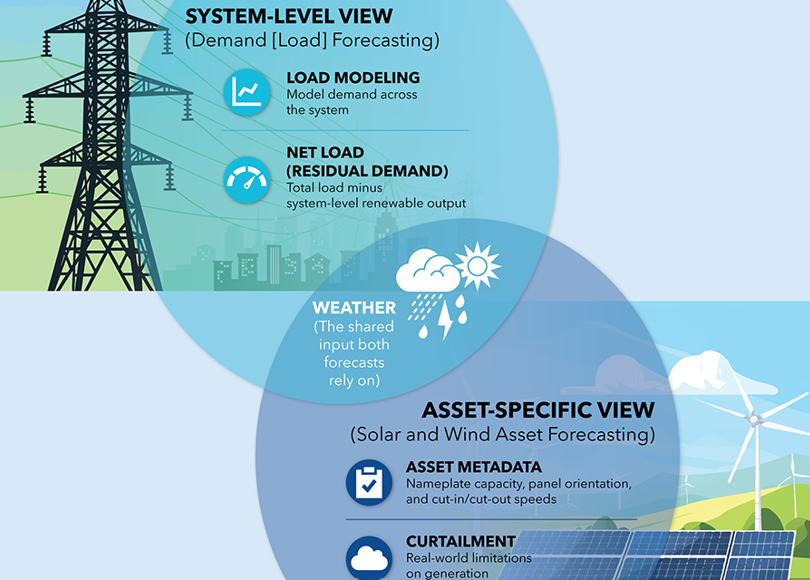
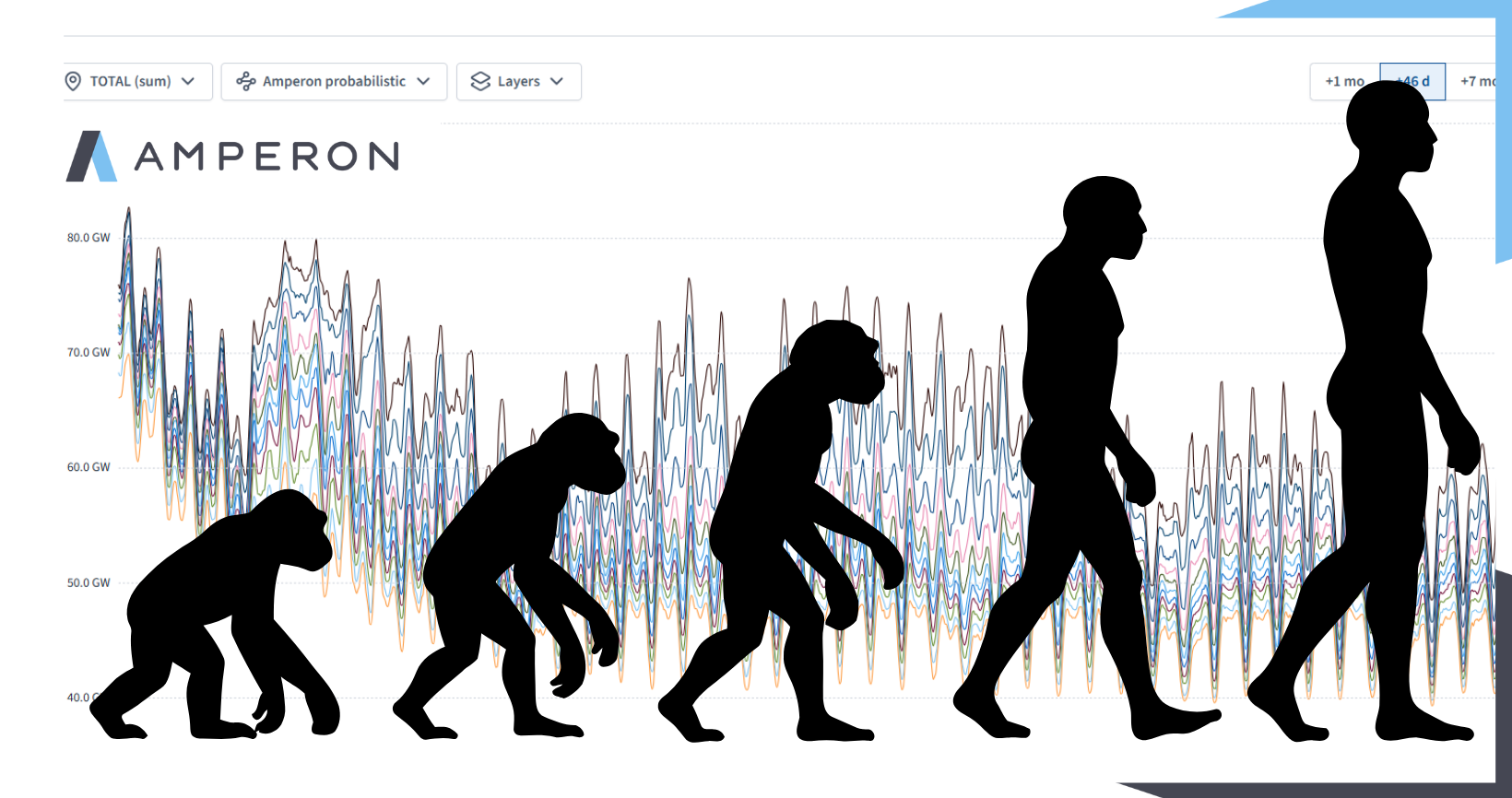
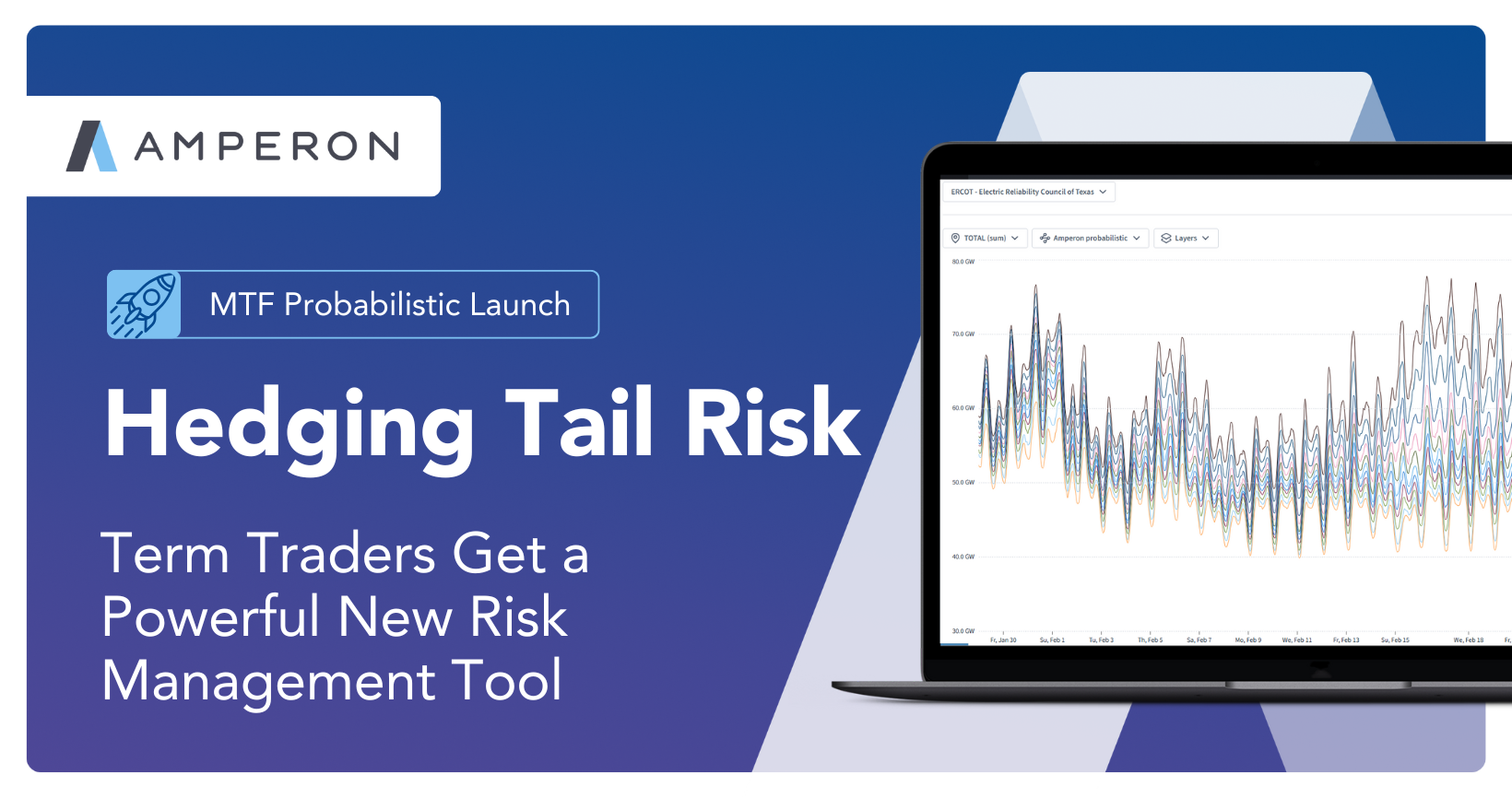
Today, ERCOT incorporates probabilistic methods for risk assessment, which complement deterministic forecasts by indicating the range and likelihood of possible extreme outcomes. By estimating the likelihood of reserve shortages or emergency conditions under various scenarios, probabilistic analysis helps operators quantify uncertainty rather than relying on a single “most likely” scenario.
Importantly, ERCOT’s probabilistic methodology is grounded in historical analogs. As noted in the NERC/FERC review of Uri, probability distributions for weather inputs are selected based on historical winter weather conditions (including extreme events) to produce uncertainty bounds such as 50/50 or 90/10 forecasts.
This represents a meaningful advancement over purely deterministic planning, but it relies on historical winter events to characterize extreme cold conditions rather than actual weather predictions. At the same time, it does not fully capture emerging sources of demand, such as the rapid growth of large data centers, which can significantly alter load patterns during extreme events.
Recent winters suggest that this reliance may be increasingly challenged, as storms exhibit greater variability in intensity and persistence, with grid impacts driven not only by minimum temperature but by duration, geographic scale, and compounding effects across generation and fuel supply.
Under these conditions, probabilistic models anchored solely in historical resampling may under-represent low-probability, high-impact tail scenarios that fall outside prior experience.
Importantly, ERCOT’s probabilistic methodology is grounded in historical analogs.
Takeaways and Recommendations
Uri exposed vulnerabilities. Fern demonstrated resilience. Investments and operational improvements—from winterization and firm fuel supplies to battery storage, market reforms, emergency authority, and voluntary demand reductions—created a grid capable of bending under stress without breaking. Prices spiked but did not hit catastrophic levels, demand was met, and emergency tools were available if needed.
For industry participants, Fern confirms that resilience is cumulative: every layer adds reliability and confidence. While no grid is invincible, the evolution from Uri to Fern shows that lessons learned, combined with deliberate investment and planning, materially reduce risk in extreme winter events.
A further evolution in planning could include weather-informed probabilistic forecasting, conditioning risk assessments not only on historical climatology but also on real-time ensemble weather guidance for actual storm scenarios.
By explicitly modeling uncertainty in storm strength, duration, and spatial coherence, operators could better anticipate correlated outages and sustained grid stress, enabling more proactive reserve positioning and operational decision-making ahead of extreme events.
By explicitly modeling uncertainty in storm strength, duration, and spatial coherence, operators could better anticipate correlated outages and sustained grid stress.

.svg)






























%20(3).png)
%20(2).png)
%20(1).png)






.png)


.avif)


.avif)
.avif)

.avif)
.avif)
%20(15).avif)
.avif)


.avif)

.avif)
.avif)