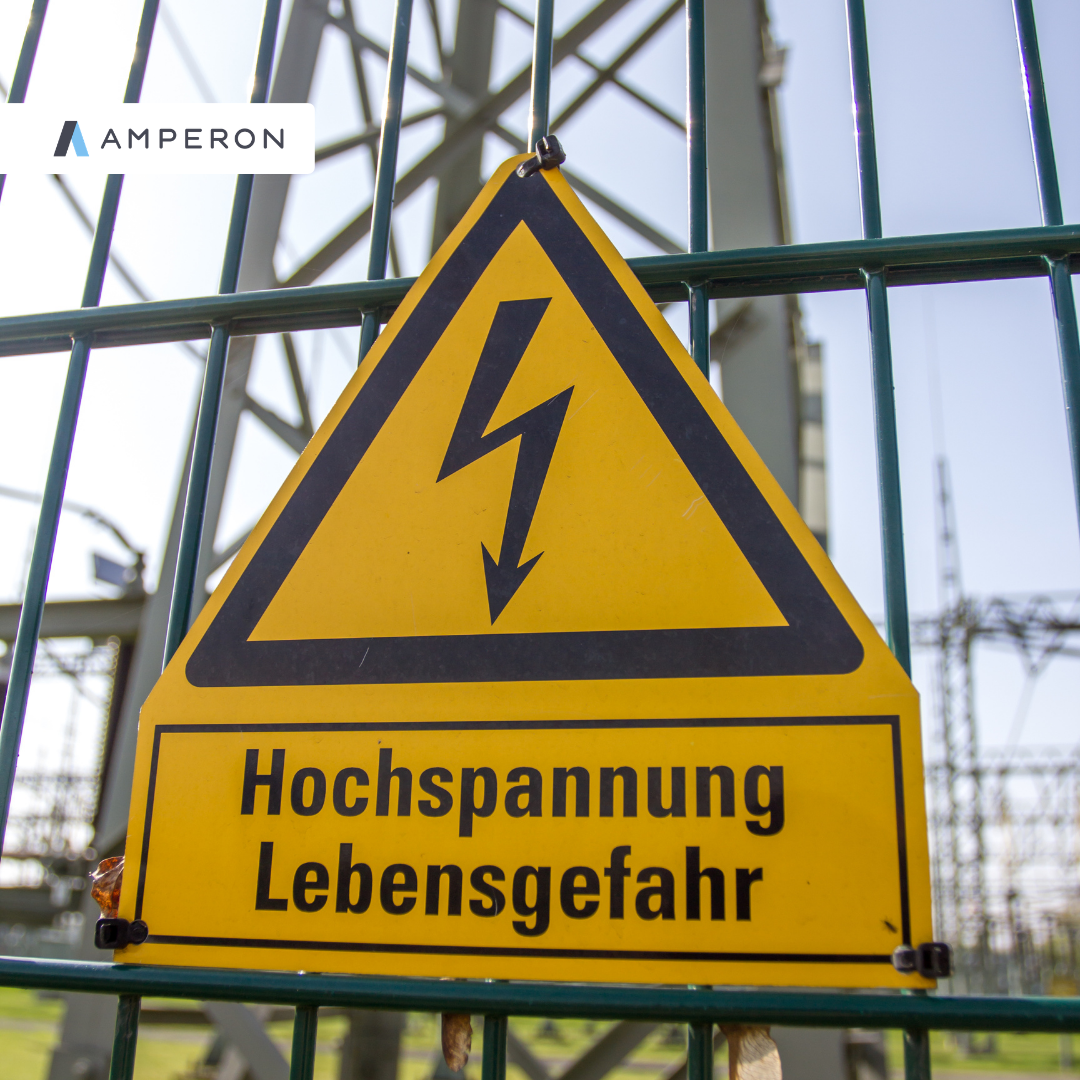
The German power grid is becoming more volatile despite declining load, driven by:

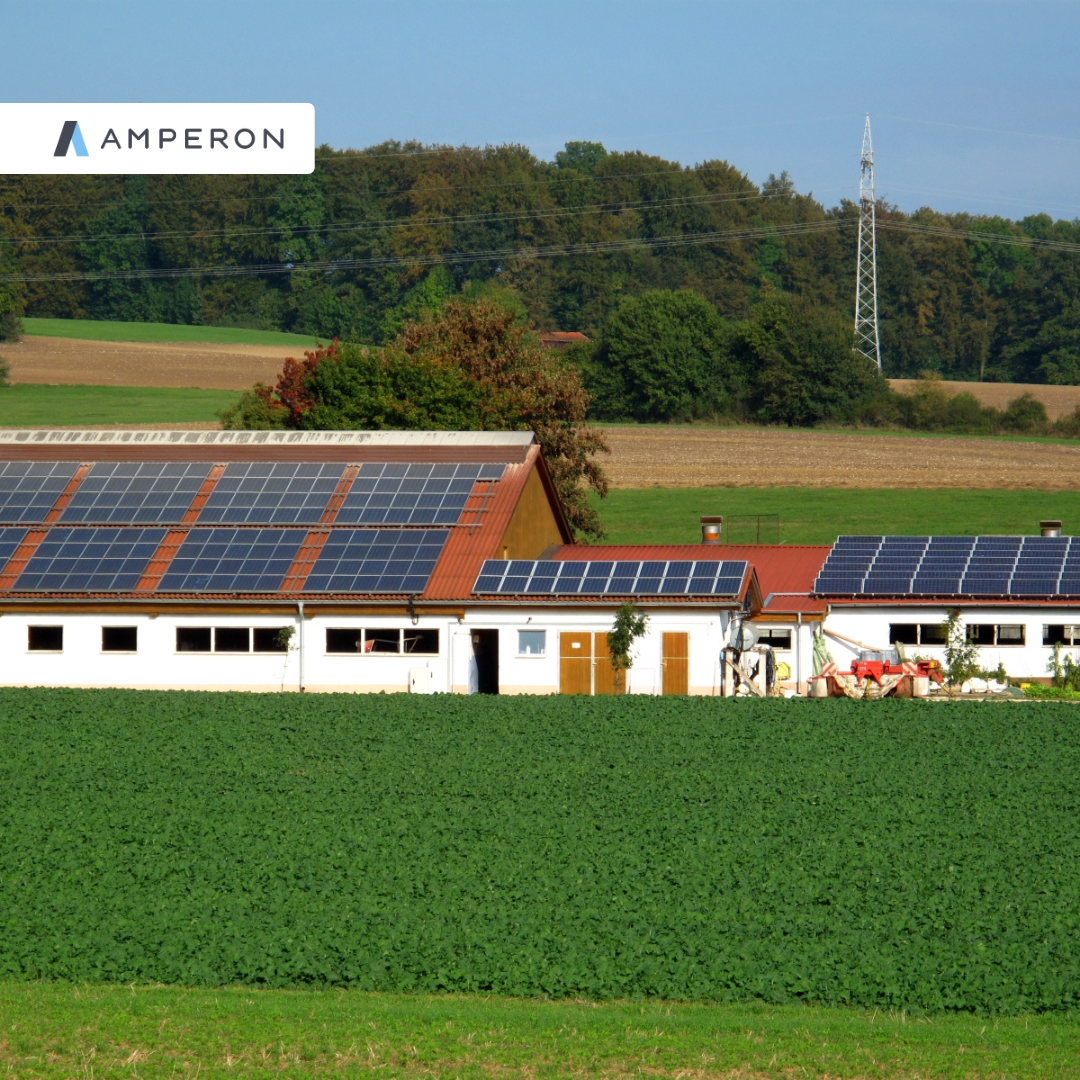
Following the electricity price shock of 2021, Germany's industrial load never recovered as energy-intensive businesses either shut down or moved to lower-priced markets. However, data centers, electrification, and other factors are driving demand structurally higher. Moreover, the rapid rise of rooftop and balcony solar is obscuring underlying demand trends. The net result is that Bundesnetzagentur is revising 2037/2045 grid planning targets upward, indicating a doubling of DE_LU electricity consumption by the mid-2040s, reversing the trend of falling demand in recent years.
DE_LU demand fell from 509 TWh in 2021 to 463 TWh in 2023, recovering only slightly to 471 TWh by 2025 — still roughly 7 percent below 2021. The decline is concentrated in non-household demand, where energy-intensive industrial production has fallen sharply since 2021. However, data centers keep expanding, and EV adoption rebounded sharply in 2025. The newest official grid planning scenarios have sharply raised — not lowered — the long-term demand outlook.
This is where you can stay up to date on Amperon.


.png)
.png)


.png)



.avif)
.avif)






.svg)